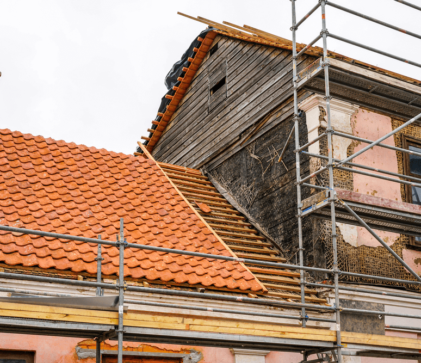
Proper roof ventilation is critical for New Orleans homes because the city’s heat, humidity, and heavy rainfall create ideal conditions for attic mold growth, premature shingle deterioration, and energy waste. Big Easy Roof Team designs and installs ventilation systems tailored to the New Orleans subtropical climate.
Why Roof Ventilation Matters in New Orleans
For homeowners in New Orleans, roof ventilation is far more than a building code checkbox. It is a frontline defense against the heat, humidity, and moisture problems that define life along the Gulf Coast. A properly ventilated attic allows fresh air to circulate while pushing out hot, stale air, which helps regulate indoor temperature, prevent condensation, and protect roofing materials from premature failure. Big Easy Roof Team designs ventilation systems built specifically for the challenges New Orleans homes face year-round.
Inadequate ventilation traps heat in the attic during summer, forcing your air conditioning to work harder and driving up energy bills. In winter, trapped warm moist air rises into a cold attic space, forms condensation on the roof sheathing, and creates conditions for mold growth and wood rot. Both scenarios shorten the lifespan of your roof and can lead to costly structural repairs. Understanding how ventilation works is the first step toward keeping your home comfortable, efficient, and healthy.
How the New Orleans Climate Affects Your Attic
Why Is Summer Heat Such a Problem?
During New Orleans summers, attic temperatures in a poorly ventilated home can exceed 150 degrees Fahrenheit, which bakes roofing materials from the inside, accelerates shingle deterioration, and radiates heat down into living spaces below. This trapped heat forces air conditioning systems to run nearly nonstop, increasing energy consumption and utility costs. A well-designed ventilation system allows that superheated air to escape through ridge or exhaust vents while drawing cooler air in through soffit or intake vents.
How Does Year-Round Humidity Cause Damage?
New Orleans averages roughly 75% relative humidity throughout the year, and without adequate attic airflow, that moisture accumulates on roof sheathing and framing, creating the ideal breeding ground for mold, mildew, and wood rot. Condensation forms when warm, humid indoor air meets cooler attic surfaces, especially during the mild winter months. Over time, persistent dampness weakens structural components and can lead to health concerns from mold spores circulating through the home.
What Role Does Heavy Rainfall Play?
New Orleans receives an average of around 64 inches of rain per year, and any ventilation system must be designed to allow airflow without admitting wind-driven rain into the attic space. Properly positioned and flashed vents keep water out while maintaining the air exchange your attic needs. After major rain events, inspect your attic for signs of moisture intrusion around vents, which may indicate a flashing or installation problem that needs prompt attention.
Types of Roofing Ventilation Systems
What Are Ridge and Soffit Vents?
Ridge vents run along the peak of the roof and allow hot air to escape naturally, while soffit vents sit under the eaves and draw cooler outside air into the attic, creating continuous airflow through the entire space. This combination is widely considered the most effective passive ventilation setup. The system relies on the natural tendency of hot air to rise (the stack effect) and requires no electricity or moving parts to operate.
How Do Box Vents and Wind Turbines Work?
Box vents are static openings installed near the ridge that rely on natural convection to exhaust warm air, while wind turbines use wind power to spin and actively pull hot air out of the attic. Box vents are simple, have no moving parts, and require minimal maintenance. Wind turbines offer greater airflow in breezy conditions but are less effective during calm periods. Both types work best when paired with adequate intake vents at the soffits.
Are Powered Attic Fans Worth It in New Orleans?
Solar-powered and electric attic fans can actively expel hot, humid air from the attic, which is especially beneficial in the New Orleans climate where passive ventilation alone may not always keep up during peak summer heat. Solar-powered models are an energy-efficient option that operate during the sunniest, hottest hours when they are needed most. However, powered fans must be properly sized for the attic volume to avoid creating negative pressure that could pull conditioned air from the living space below.
Critical Factors for Effective Ventilation
How Much Ventilation Does My Attic Need?
Industry standards recommend at least 1 square foot of net free vent area for every 150 square feet of attic floor space, or 1 to 300 if a vapor barrier is installed on the warm side of the attic insulation. These ratios ensure enough air exchange to manage heat and moisture effectively. An undersized system will not keep up with New Orleans humidity levels, while an oversized system in the wrong configuration can create problems of its own.
Does Vent Placement Matter?
Yes. Intake vents must be positioned low on the roof (typically at the soffits) and exhaust vents must be positioned high (at or near the ridge) to create the natural convection cycle that drives effective passive ventilation. Mixing incompatible vent types or placing all vents at the same elevation can short-circuit airflow and leave large portions of the attic stagnant. Your ventilation plan should also comply with local building codes, which may specify minimum requirements based on the New Orleans climate zone.
What Happens When Ventilation Is Inadequate
Can Poor Ventilation Damage My Roof?
Absolutely. Excessive attic heat bakes shingles from the underside, causing them to curl, crack, and lose granules years before their expected end of life, which can void manufacturer warranties. In New Orleans, where roofing materials already endure intense UV exposure and heavy rain, adding internal heat stress dramatically shortens roof lifespan. Premature shingle failure means an earlier and more expensive replacement.
Does It Affect Indoor Air Quality and Health?
Poor attic ventilation leads to moisture accumulation that fosters mold and mildew growth, and those spores can migrate into living spaces through ceiling penetrations, HVAC ductwork, and light fixtures. In a humid climate like New Orleans, mold can establish itself quickly and spread throughout a home if the source of moisture is not addressed. Respiratory issues, allergic reactions, and musty odors are common symptoms of a ventilation-related mold problem.
What About Energy Costs?
Homes with poorly ventilated attics in New Orleans can see cooling costs increase by 10 to 25 percent because the trapped heat radiates into living spaces and forces air conditioning systems to work overtime. Improving ventilation is one of the most cost-effective upgrades a homeowner can make because it reduces the thermal load on the HVAC system while also extending the life of roofing materials above and insulation below.
Ventilation Improvement and Maintenance
How Do I Know If My Ventilation Needs Upgrading?
Start with an attic inspection. Look for signs of blocked vents, visible mold or water stains on sheathing, sagging insulation, and excessive heat even on mild days. If your home was built before modern ventilation codes were adopted, it may not have enough vent area to meet current standards. A roofing contractor familiar with the New Orleans climate can perform a thorough assessment and recommend specific improvements.
What Maintenance Does a Ventilation System Require?
Keep all vents clear of debris such as leaves, dirt, and animal nests, and inspect them at least twice a year and after every major storm. Check for signs of moisture damage, rust on metal components, or cracked vent housings. In New Orleans, where vegetation grows quickly and storms can deposit debris on roofs, regular cleaning is essential to maintaining unimpeded airflow.
When to Call a Roofing Contractor
If your attic feels noticeably hotter than normal, if you see mold or dark staining on the underside of the roof sheathing, or if your energy bills have been climbing without an obvious explanation, your ventilation system likely needs attention. After any major storm, check your attic for moisture and debris that may have blocked or damaged vents. Addressing ventilation problems early prevents more expensive roof and structural repairs later.
A well-ventilated roof protects your home from the inside out, reducing energy costs, preventing mold, and extending the life of every roofing component. Big Easy Roof Team understands the unique ventilation demands of the New Orleans climate and provides solutions sized and positioned for maximum performance.
Check whether your attic feels excessively hot in summer, look for moisture stains or mold on the underside of the roof deck, and verify that both intake (soffit) and exhaust (ridge or roof) vents are present and unobstructed. A roofing contractor can measure your net free vent area and compare it to the recommended ratio for your attic size.
Does roof ventilation help with mold in New Orleans homes?
Yes. Proper ventilation reduces moisture accumulation in the attic, which is the primary driver of mold growth. In the humid New Orleans climate, effective airflow through the attic is one of the best defenses against mold on sheathing, framing, and insulation.
Can I add ventilation to an existing roof without a full replacement?
In many cases, yes. Ridge vents, soffit vents, and powered attic fans can often be added to an existing roof without tearing off the entire roofing system. A contractor can evaluate your current setup and recommend the most effective upgrades based on your home’s design and the local climate.
In the realm of roofing, one often-underestimated adversary is insufficient ventilation. Every homeowner's nightmare, a rotting roof, can become a reality due to poor ventilation practices.
At ...
Regular roof maintenance in New Orleans directly extends roof lifespan, prevents expensive emergency repairs, and prepares your home for hurricane season. Big Easy Roof Team helps homeowners es...
Your New Orleans home is your sanctuary, where you create memories and unwind after a long day. But have you ever thought about what protects this safe haven from the elements? The answer is your r...
In the vibrant city of New Orleans, understanding the condition of your roof can significantly impact your home’s insulation needs. A comprehensive evaluation involves assessing both visible and hi...
When it comes to maintaining the integrity of your home, hiring a professional and qualified roofing contractor like "Big Easy Roof Team" is not just important—it's crucial. A roof is more than jus...
The roof is an integral part of a house; it shields the interior from environmental elements and contributes to the overall aesthetic appeal. However, over time, roofs can deteriorate due to weathe...


 Big Easy Roof Team
 Nov 18, 2025
 Big Easy Roof Team