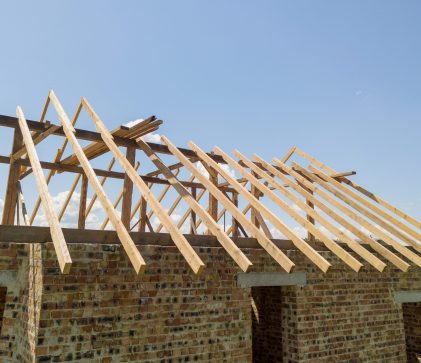
Fascia board replacement in New Orleans requires careful attention to moisture, material selection, and proper installation due to the city’s subtropical humidity and termite pressure. Big Easy Roof Team helps New Orleans homeowners avoid the most common fascia replacement mistakes that lead to premature rot, pest damage, and costly rework.
Table of Contents
Why Fascia Boards Fail Faster in New Orleans
Fascia boards take a beating in every climate, but in New Orleans the damage happens faster and runs deeper. Big Easy Roof Team sees fascia rot, termite damage, and mold problems across the metro area on homes that are sometimes only 10 to 15 years old. Understanding why this happens is the first step toward avoiding the mistakes that make things worse.
How Does New Orleans Humidity Destroy Fascia Boards?
New Orleans averages roughly 75% relative humidity year-round, and that persistent moisture saturates unprotected wood fascia from the outside in. Unlike drier climates where wood has time to dry between rain events, NOLA’s fascia boards stay damp for weeks at a time, creating ideal conditions for fungal rot and mold growth.
The problem is compounded by how fascia boards are positioned on a home. They sit at the edge of the roofline, directly exposed to rain runoff, gutter overflow, and splashback. In New Orleans, where annual rainfall exceeds 60 inches, that exposure is relentless. A small paint crack or unsealed end grain becomes an entry point for moisture that never fully evaporates.
Older New Orleans homes are especially vulnerable. Shotgun houses, Creole cottages, and raised doubles often have original wood fascia that was installed without modern moisture barriers or priming on all six sides. Decades of Gulf Coast weather take a toll that’s often invisible until the wood is soft enough to push a screwdriver through.
Why Is Termite Damage to Fascia So Common in Louisiana?
Louisiana has one of the highest termite populations in the United States, with Formosan subterranean termites being particularly aggressive in the New Orleans area. These termites build aerial colonies that can reach fascia boards directly without needing ground contact, making elevated wood trim an easy target.
Formosan termites swarm heavily in New Orleans between late April and June. They’re attracted to moisture-damaged wood, which means a fascia board that’s already starting to rot becomes a double target. The termites move in, hollow out the wood from the inside, and by the time the damage is visible on the surface, the board is structurally compromised.
This is why simply replacing rotted fascia with the same untreated wood is one of the biggest mistakes homeowners make. Without addressing the conditions that attracted termites in the first place, the new boards will follow the same path.
Common Fascia Replacement Mistakes to Avoid
What Happens If You Don’t Fix the Underlying Rot First?
Installing new fascia boards over or next to rotted wood is the single most common mistake in fascia replacement. The rot doesn’t stop at the board you removed. It often extends into the rafter tails, soffit, and roof decking behind the fascia, and covering it up with new material traps moisture and accelerates the damage.
Before any new fascia goes up, the area behind it needs a thorough inspection. In New Orleans homes, moisture frequently travels from the fascia into the rafter tails and the soffit panels. If those components are soft, discolored, or show signs of mold, they need to be addressed at the same time. Big Easy Roof Team evaluates the full assembly during every fascia project because partial fixes don’t last in this climate.
Ignoring the soffit when replacing fascia is a related mistake. The soffit and fascia work as a system. If one is failing, the other is usually not far behind, especially in New Orleans where moisture migrates through every gap and seam.
Is It a Mistake to Use Untreated Wood Fascia in New Orleans?
Yes. Using standard untreated pine or fir fascia in New Orleans’s climate is one of the fastest ways to guarantee repeat repairs. Untreated softwood absorbs moisture rapidly, provides no resistance to Formosan termites, and can begin showing rot within three to five years in the Gulf Coast environment.
The minimum acceptable approach for wood fascia in this area is pressure-treated lumber that’s been primed on all six sides before installation. That means the front, back, top, bottom, and both ends are sealed. Many installers only prime the visible face, leaving the back and end grain exposed to moisture. In a dry climate, you might get away with that. In New Orleans, you won’t.
Better options exist, and we’ll cover those in the material section below. But if you insist on wood, it must be treated and fully sealed. Anything less is a temporary fix.
What Goes Wrong When Gutters and Fascia Aren’t Addressed Together?
Fascia boards serve as the mounting surface for your gutter system, and damaged fascia almost always means your gutters have been pulling away, overflowing, or channeling water behind the boards. Replacing the fascia without correcting gutter alignment and drainage issues means the new boards will face the same water damage from day one.
This is a frequent problem throughout the New Orleans metro. Heavy downpours overwhelm undersized gutters, water backs up over the gutter lip, and it runs down the face and behind the fascia board. Over time, that constant wetting rots the board from the back side where nobody can see it until the gutter starts visibly sagging.
When Big Easy Roof Team handles fascia replacement, the gutter system is always part of the conversation. Proper sizing, correct pitch, and secure attachment to the new fascia prevent the cycle from repeating.
Can Improper Flashing Ruin a New Fascia Installation?
Absolutely. Drip edge flashing directs water off the roof deck and into the gutter, keeping it away from the fascia board. Missing, bent, or improperly lapped drip edge is one of the top reasons fascia boards rot prematurely in Southeast Louisiana, where rain events can dump inches per hour.
During a fascia replacement, the drip edge at the eave should be inspected and replaced if it’s corroded, bent, or improperly positioned. The correct installation has the drip edge extending over the back edge of the gutter so water flows directly in rather than dripping down the fascia face.
Skipping this step saves a few dollars per linear foot and can cost hundreds in premature fascia failure. In New Orleans, where the volume and frequency of rain is among the highest in the nation, proper flashing is not optional.
Why Shouldn’t You Try to Replace Fascia Yourself on a New Orleans Home?
DIY fascia replacement becomes risky in New Orleans because the underlying damage is almost always more extensive than what’s visible. What looks like one rotted board frequently involves deteriorated rafter tails, mold behind the soffit, and termite damage that extends into the roof structure itself.
Accessing fascia safely also requires working at the roofline, often on ladders or scaffolding. New Orleans homes with raised foundations add extra height, and the uneven terrain common in many neighborhoods makes ladder placement hazardous. A fall from a single-story roofline in the Garden District or Gentilly is just as dangerous as any other.
Proper fascia replacement also involves understanding how the fascia connects to the rest of the roofing and drainage system. It’s not just a board nailed to the end of your rafters. It’s a component that ties into the drip edge, soffit, gutter system, and roof deck. Getting any of those connections wrong invites the same problems back. If you’ve noticed roof repair needs alongside your fascia damage, a full evaluation makes more sense than a piecemeal approach.
Choosing the Right Fascia Material for the Gulf Coast
What Are the Best Fascia Materials for the New Orleans Climate?
Composite (PVC or cellular PVC), fiber cement, and aluminum-wrapped fascia consistently outperform wood in the New Orleans environment. These materials do not absorb moisture, resist termites completely, and maintain their appearance for decades with minimal maintenance.
Cellular PVC fascia like AZEK or Versatex is the most popular upgrade in the New Orleans market right now. It looks like painted wood, accepts fasteners the same way, and is completely impervious to moisture and insects. It won’t rot, swell, or delaminate no matter how many 90-degree, 95%-humidity days it endures.
Fiber cement (such as HardieTrim by James Hardie) is another strong option. It’s heavier than PVC and requires more care during installation, but it’s fireproof, termite-proof, and holds paint well in the Gulf Coast climate. Aluminum-wrapped fascia provides a factory-finished surface over wood substrate, creating a weatherproof barrier that keeps moisture away from the wood beneath.
For historic homes where matching the original appearance matters, composite materials now come in profiles and textures that satisfy most preservation guidelines while delivering modern performance.
When to Call a Roofing Contractor About Fascia
Fascia problems rarely stay small in the New Orleans climate. The moisture and pest pressure here means that what starts as a soft spot in one board can spread to adjacent fascia, rafter tails, and soffit within a single rainy season.
Call Big Easy Roof Team at 504-285-5388 if you notice any of the following:
- Paint peeling or bubbling on your fascia boards
- Visible soft spots, cracks, or discoloration in the wood
- Gutters pulling away from the roofline
- Signs of termite activity (mud tubes, frass, or hollow-sounding wood)
- Water stains on the soffit or exterior walls below the roofline
- Mold or mildew growth along the fascia or soffit
Catching these signs early keeps a fascia replacement from turning into a larger structural repair. In New Orleans, waiting another season usually means the damage doubles.
Keep Your New Orleans Home Protected From the Trim Out
Fascia boards are a small part of your roof system, but when they fail, the damage spreads fast in this climate. Big Easy Roof Team handles fascia replacement the right way: full inspection of the underlying structure, moisture-resistant materials suited to the Gulf Coast, and proper integration with your gutter system and drip edge.
We serve New Orleans, Metairie, Kenner, Slidell, Baton Rouge, and throughout Louisiana and Florida.
Request your free estimate or call 504-285-5388 to get your fascia inspected before the next storm season.
Frequently Asked Questions
How long do fascia boards last in New Orleans?
Untreated wood fascia typically lasts 5 to 10 years in New Orleans before rot or termite damage requires replacement. Composite PVC and fiber cement fascia can last 25 to 40 years with minimal maintenance.
How much does fascia board replacement cost in New Orleans?
Costs vary depending on material and the extent of underlying damage, but most New Orleans homeowners pay between $15 and $30 per linear foot installed for quality composite or fiber cement fascia. Wood is less upfront but costs more over time due to shorter lifespan.
Should I replace fascia and soffit at the same time?
In most cases, yes. The fascia and soffit work as a connected system, and in New Orleans’s humid climate, moisture damage to one usually indicates damage to the other. Replacing both at once avoids tearing into the same area twice.
Can termites damage fascia boards even on raised New Orleans homes?
Yes. Formosan subterranean termites in the New Orleans area build aerial colonies and can reach fascia boards without ground contact. Raised foundations do not protect fascia from these termites.
What is the best material for fascia on a historic New Orleans home?
Cellular PVC fascia provides the best balance of historic appearance and weather resistance. It can be milled to match original wood profiles and satisfies most preservation guidelines while being completely resistant to rot and termites.
Do I need a permit to replace fascia boards in New Orleans?
Standard fascia replacement typically does not require a permit in New Orleans. However, if the work involves structural repairs to rafter tails or modifications to a home in a historic district, check with the HDLC and the city’s Department of Safety and Permits first.
How can I tell if my fascia damage has spread to the roof structure?
Press along the fascia and the rafter tails behind it with a flat-head screwdriver. If the wood gives easily or feels spongy more than a quarter inch in, the damage has likely spread beyond just the fascia board. A roofing contractor can assess the full extent during an inspection.


 Big Easy Roof Team
 Oct 9, 2025
 Big Easy Roof Team