Metal roofs, impact-resistant shingles, and concrete tiles are some of the most durable options, providing superior strength and performance. Poor installation and weak materials, as seen in past New Orleans storms, can cause roofs and entire homes to fail during severe weather.
Metal roofing, clay and concrete tiles, architectural shingles, and slate tiles all provide their advantages in terms of durability, wind resistance, and affordability.
Roof shape is vital in hurricane protection. Hip roofs are the best for wind resistance, but gable roofs may need extra reinforcement.
A true roofing system is materials, aerodynamics, and quality installation. When combined with the right underlayment, fasteners, and flashing, they create a storm-ready force.
Hurricane straps, roof deck sealing, and impact protection can improve resistance to wind uplift and flying debris. If you have an older roof, retrofitting it is highly advised.
Routine maintenance is the secret to roof readiness. Check for loose materials, debris in gutters, and weak spots well ahead of the hurricane season. After storms, inspect for damage, record problems, and address repairs quickly to reduce future expenses.
Checking local building codes and working with professionals guarantees that your roof meets safety requirements and offers the best protection in hurricane-affected areas.
What Are the Best Roofing Types?
Hurricane-resistant roofs protect homes from high winds, heavy rain, and flying debris. They offer long-lasting durability and value.
1. Metal Roofing
Wind-resistant roofs can withstand winds up to 225 km/h and last 40–70 years, offering long-term durability despite higher initial costs.
2. Clay and Concrete Tiles
Their durability is also an excellent reason why they’re known to withstand wind speeds of about 240 km/h. The weight of these tiles makes them stay in place, but they also need quite a strong frame. They cost a lot to install but last very impressive lifetimes of about 50 years and are fire and severe weather-resistant, giving a classic touch.
3. Architectural Shingles
These shingles are a lot cheaper, but they can withstand winds as high as 240 km/h and offer different styles. However, because of the fact that they do not last long (only around 15-30 years), they have to be replaced more often. Though impact-resistant options add significantly to performance, they cannot compete with the durability of the best products.
4. Slate Tiles
Slate roofs offer maximum durability and wind resistance, lasting up to a century, though they come with high costs and bulky installation.
The Importance of Roof Shape
This is highly dependent on the shape of the roof. Some of the shapes for roofs absorb wind very well. Some roofs, however, leave the whole building susceptible to destruction.
Hip Roofs
It is known that hip roofs are best regarding hurricanes. All four sides feature slopes, which greatly help disperse wind and lessen the potentially vulnerable areas. This results in minimized chances of wind uplift, making it less possible for the roof to be torn off during storms.
Hip roofs are preferred in coastal areas for their stability in high winds, despite requiring more time to install.
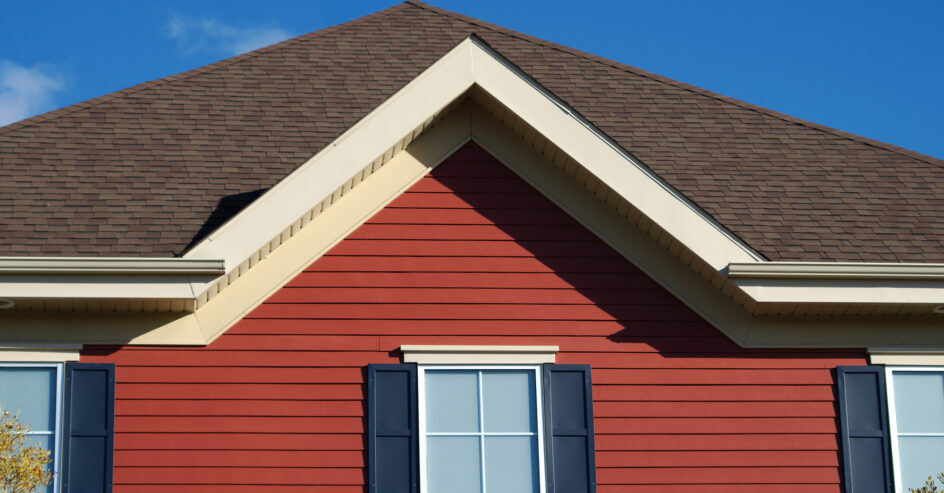
Gable Roofs
Gable roofs are closely identified with the triangular shape of the roof. They are more prone to wind uplift, but even extra-strong wind can create pressure points, loosening the materials on the roof. Performance, however, depends on proper bracing, like hurricane straps.
Gable roofs are less suitable for hurricane zones, as their design offers limited protection in extreme winds.
Roof Pitch
A moderate 30-degree pitch will hold water back and afford wind resistance; a steeper pitch can create wind uplift vulnerability at storm time. Building codes may require local specifications of pitch for hurricane areas that cannot be ignored when designing or retrofitting roofs in such areas.
Reinforce Your Existing Roof
Strengthening an existing roof is among the most pragmatic and cost-effective ways to resist the destructive forces of a hurricane. By shoring up structural weaknesses and strengthening selected elements, homeowners and property managers can ensure their investments are protected from further financial loss or a complete overhaul.
Roof-To-Wall Connections
Proper fastening of the roof to the building is paramount to prevent the roof from being blown off in high winds. Use hurricane straps or clips, usually made of galvanized steel, to connect roof trusses or rafters to the walls for solid anchorage against uplift forces. Older homes may need retrofit reinforcement in compliance with current building codes; such retrofitting will protect not only your money but your property as well.
Installation must be performed by experts, as anything wrongly fitted will not be able to withstand its due stress. You may also want to check the roof design; gable roofs may require some extra bracing to resist wind forces effectively.
Deck Sealing
Water infiltration during the hurricane can cause massive damage. An effective solution is to waterproof the roof deck with a peel-and-stick membrane or a similar barrier. These materials serve as a secondary line of defense should the shingles or tiles be compromised. For this membrane to be durable, it is important that it adheres well to the deck and overlaps at the seams. Wind-driven rain and structural strains call for high wind-rated materials, particularly in coastal regions.
Impact Protection
Flying debris is a major threat during hurricanes. Impact-resistant materials, such as UL2218-rated shingles or metal roofing, provide the best protection. Reinforced panels can be added over vulnerable areas like skylights or eaves, boosting both debris resistance and overall wind protection. For example, metal roofs with hurricane clips can withstand winds above 200 km/h.
Protect Your Home With The Right Roof
In hurricane-prone regions, roofs must be durable to heavy winds, severe rain, and flying debris. Metal, impact-resistant shingles, or concrete tiles will do, whereas the design of hip roofs shall help reduce wind pressure. It is also necessary to look at the whole roof system on the vents, underlayment, and fasteners for a higher lifespan.
Insulation is a crucial component in the construction of homes and buildings, playing a pivotal role in maintaining comfortable indoor temperatures. Essentially, it involves the use of various mate...
Roofing materials are a critical component of any construction project, serving as the first line of defense against the elements. They are designed to withstand various weather conditions, from sc...
When it comes to protecting your home from the elements and optimizing energy efficiency, a well-insulated roof plays a crucial role. Proper roof insulation not only helps maintain a comfortable in...
Homeownership in New Orleans is an exciting journey filled with unique experiences and responsibilities. One of the most important responsibilities is maintaining your home, particularly the roof, ...
The roof is a vital part of any structure, providing protection against the elements and contributing to the overall aesthetics of the building. Over time, however, roofs can become damaged or dete...
Gutter cleaning is an essential part of maintaining the overall health of your roofing. This task, often overlooked, serves a crucial role in preventing various potential issues that could lead to ...


 Big Easy Roof Team
 Dec 4, 2025


 Big Easy Roof Team


