Roof replacement in New Orleans requires careful attention to hurricane wind ratings, humidity-resistant materials, and Louisiana building codes. Big Easy Roof Team helps New Orleans homeowners evaluate every factor, from the age of the existing roof to the material best suited for the subtropical climate, so the investment lasts.
Why Roof Replacement in New Orleans Is Different
Replacing a roof anywhere is a significant investment, but in New Orleans the stakes are higher because of the region’s unique combination of climate threats. Hurricanes, relentless humidity, intense UV exposure, and heavy rainfall all shorten roof lifespans and narrow the margin for choosing the wrong material or contractor. Big Easy Roof Team approaches every replacement with these local realities in mind.
A roof that performs well in a drier or cooler climate can fail within a few years in New Orleans. Moisture trapped beneath shingles accelerates wood rot, algae streaks appear within months on unprotected surfaces, and a single hurricane can expose every installation shortcut at once.
Roof Age and the New Orleans Housing Stock
How Does Roof Age Affect Replacement Timing in New Orleans?
Most asphalt shingle roofs in New Orleans reach the end of their reliable service life between 15 and 20 years rather than the 25-year national average, because sustained heat, humidity, and storm exposure accelerate material breakdown.
New Orleans has a large inventory of historic and mid-century houses. If your home was built before 1980 and still carries the original decking, the structural condition should be evaluated. A seasonal maintenance routine can help you track deterioration before it becomes an emergency.
What Signs Indicate an Aging Roof Needs Replacement?
Visible granule accumulation in gutters, widespread curling or buckling shingles, persistent interior water stains, and daylight visible through the attic are clear indicators. If you are seeing multiple signs your roof needs repair, patching individual spots will not address the underlying deterioration.
Hurricane and Wind Resistance
Why Is Wind Rating the Most Important Factor in New Orleans?
New Orleans sits in a high-velocity hurricane zone where sustained winds during major storms regularly exceed 100 mph, meaning every component of a new roof must be rated and installed to resist uplift forces. The IBHS FORTIFIED Home designation has become an increasingly important benchmark, and many Louisiana insurers offer premium discounts for FORTIFIED roofs.
Hurricane straps, sealed roof deck underlayment, and six-nail-per-shingle patterns are not optional upgrades in New Orleans. Choosing a contractor who understands these protocols is just as important as choosing the right roofing material.
How Do I Protect My Roof Against Wind-Driven Rain?
Sealed roof deck underlayment, proper flashing at every penetration point, and drip-edge installation along all eaves work together to prevent wind-driven rain from entering the structure even when surface materials are temporarily compromised.
Material Selection for the Subtropical Climate
What Roofing Materials Hold Up Best in New Orleans?
Impact-resistant architectural asphalt shingles with algae-resistant granules, standing-seam metal roofing, and slate are the materials that consistently perform best because they resist moisture absorption, mold growth, and UV degradation.
Are Clay or Concrete Tiles a Good Option Here?
Clay and concrete tiles offer strong hurricane resistance and suit the architectural character of many New Orleans neighborhoods, but they require a roof structure engineered to carry their substantial weight.
Cost Factors Specific to New Orleans
What Drives Roof Replacement Costs in the New Orleans Area?
Material costs, labor rates, permit fees, debris disposal, and the added expense of hurricane-rated hardware and installation techniques all contribute to costs that tend to run higher than national averages. For a detailed breakdown, see our guide to understanding roof replacement costs.
Can a Better Roof Lower My Insurance Premium?
Yes. Louisiana law requires insurers to offer wind-mitigation discounts, and homeowners who install roofs meeting FORTIFIED or equivalent standards often see meaningful reductions in their annual premium. Our team also assists with roof insurance claims.
Louisiana Building Codes and Permits
What Permits Are Required for a Roof Replacement in New Orleans?
The City of New Orleans requires a building permit for any roof replacement, and the work must comply with the Louisiana State Uniform Construction Code, which includes wind-resistance provisions based on your property’s wind zone. Historic districts have additional design review requirements.
Deciding When Replacement Beats Repair
Not every roof issue calls for a full replacement. Isolated damage from a single storm or a localized leak can often be repaired effectively. However, when the roof is past 15 years old, when damage covers more than a third of the surface, or when the decking shows signs of rot or sagging, a full replacement is almost always the more economical choice.
Get Started with Big Easy Roof Team
Big Easy Roof Team brings local knowledge to every factor, from the initial inspection through final cleanup.
How long does a roof typically last in New Orleans?
Asphalt shingle roofs generally last 15 to 20 years due to intense heat, humidity, and storm exposure. Metal roofs can last 40 to 70 years, and slate or tile can exceed 50 years.
Is it worth upgrading to a FORTIFIED roof in New Orleans?
Yes. A FORTIFIED roof provides superior hurricane resistance and qualifies for insurance premium discounts under Louisiana law.
When is the best time of year to replace a roof in New Orleans?
Late fall through early spring (November to May) is generally the best window. Demand and pricing tend to be lower outside of hurricane season.
Do I need a permit to replace my roof in New Orleans?
Yes. The City of New Orleans requires a building permit for roof replacements. The work must meet the Louisiana State Uniform Construction Code.
As a homeowner in New Orleans, you know that your roof is not just a decorative feature, but a vital component of your home's protection against the weather, pests, and other hazards. Over time...
Roof maintenance is an essential aspect of home care that often gets overlooked. It's not just about keeping your roof looking good; it's also about ensuring the safety and durability of your home....
Summary
Roof replacement in New Orleans involves considerations that go beyond material selection, including Louisiana building codes, hurricane-readiness requirements, permit processes, and hom...
New Orleans, a city known for its vibrant culture and rich history, is also famous for its unique architecture. When building or renovating homes in this region, selecting the right roofing materia...
New Orleans, often referred to as the "Big Easy", is known for its vibrant culture, music, and cuisine. However, it is also known for its distinct climate. The city experiences a humid subtropical ...
When it comes to safeguarding your home against the elements, your roof plays a pivotal role. However, over time, various factors can lead to common roofing problems that may compromise its functio...


 Big Easy Roof Team
 Dec 17, 2025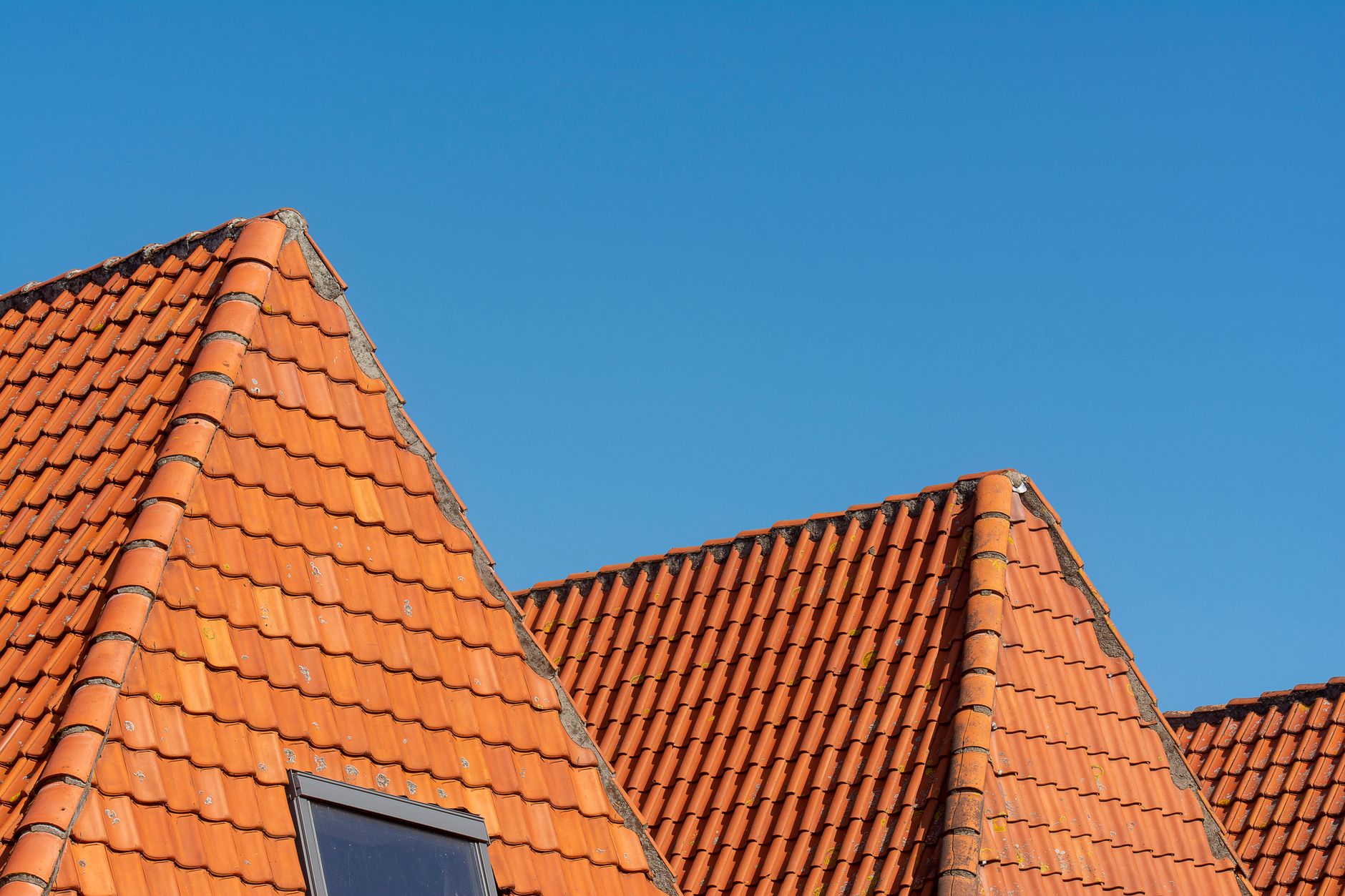


 Big Easy Roof Team


